
Keeping your vehicle running smoothly involves more than routine oil changes and brake checks. One often-overlooked factor in vehicle maintenance is wheel alignment. When wheels are not properly aligned, the effects can quietly build up, leading to uneven tire wear, reduced handling, and costly replacements. Understanding how alignment issues impact your tires can help you protect your vehicle and avoid unnecessary expenses.
Understanding Wheel Alignment
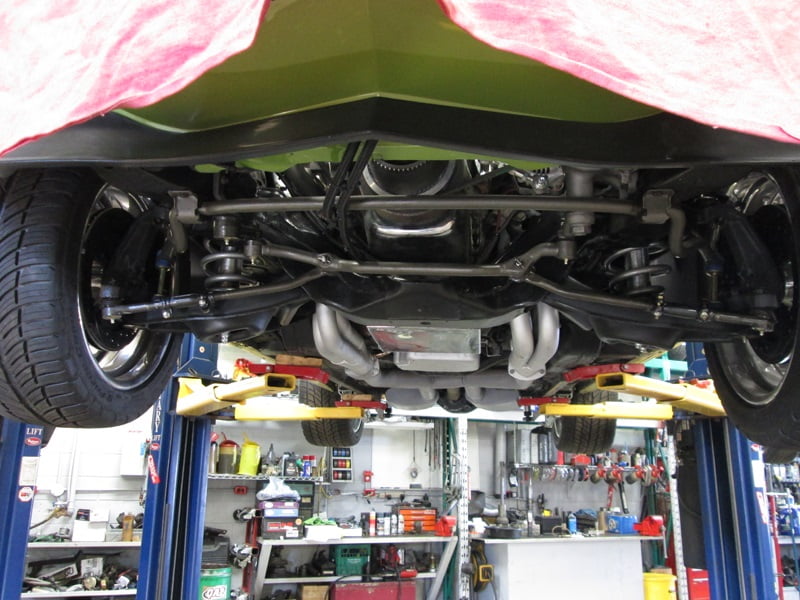
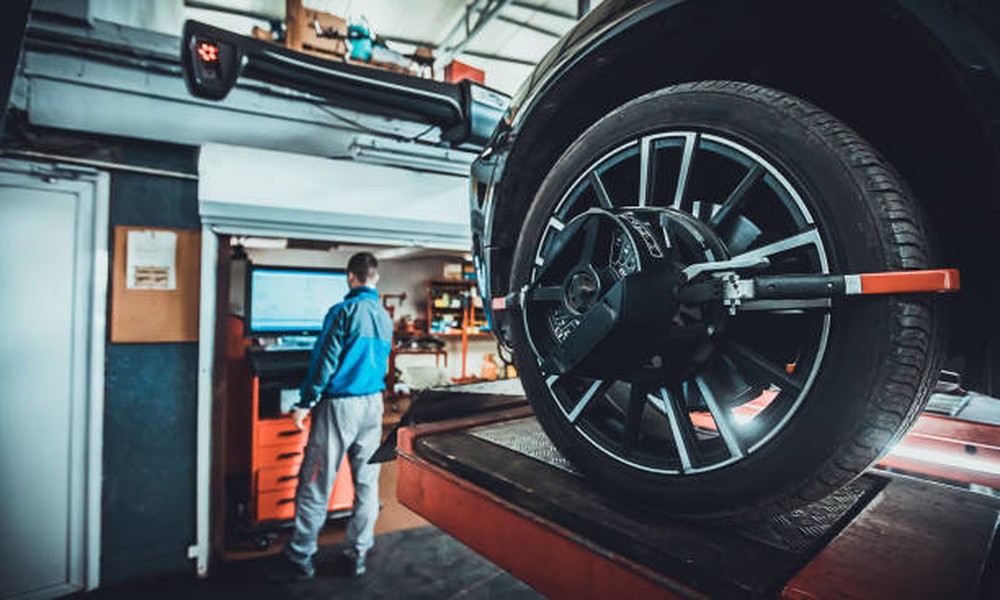
Wheel alignment refers to the adjustment of your vehicle’s suspension system, which connects the wheels to the car. Proper alignment ensures that your tires meet the road at the correct angle and that all wheels work together as intended. Over time, everyday driving conditions such as potholes, curb impacts, and rough roads can cause wheels to drift out of alignment.
Common Causes of Misalignment
Alignment issues often develop gradually. Hitting a pothole at speed, driving on uneven road surfaces, or experiencing minor collisions can all shift suspension components. Even normal wear on parts like ball joints and bushings can contribute to misalignment if left unaddressed.
How Misalignment Damages Tires
When wheels are out of alignment, tires no longer roll evenly across the road surface. Instead of distributing weight evenly, certain areas of the tire experience more friction and pressure than others. This imbalance accelerates wear and shortens tire lifespan.
Uneven Tread Wear Patterns
One of the most common signs of alignment problems is uneven tread wear. Tires may wear excessively on the inner or outer edges, or develop a feathered or scalloped pattern. Once this type of damage occurs, it cannot be reversed, even if the alignment is corrected later.
Increased Stress and Heat
Improper alignment forces tires to work harder than designed. This extra resistance creates heat buildup, which weakens tire materials over time. Excess heat can increase the risk of blowouts and reduce overall tire performance, especially during long drives or at highway speeds.
Additional Effects Beyond Tire Damage
Reduced Handling and Safety
Alignment issues don’t just affect tires. They can also cause steering problems, such as pulling to one side or a crooked steering wheel. These symptoms reduce control and make driving more tiring and less predictable.
Lower Fuel Efficiency
Misaligned wheels create rolling resistance, meaning your engine has to work harder to move the vehicle. This extra effort can lead to decreased fuel efficiency and higher operating costs over time.
Protecting Your Tires and Vehicle
Regular wheel alignment checks are a simple but powerful way to protect your tires and improve overall vehicle performance. Addressing alignment issues early helps extend tire life, maintain safe handling, and reduce long-term repair costs. With professional inspection and timely adjustments, drivers can enjoy smoother rides, better traction, and greater peace of mind on the road.
This post was written by a professional at Sunshine Auto Repair. Need mechanics in El Cajon, CA, reliable auto repair near you, or the best auto mechanic near you in El Cajon, CA? For over 20 years, Sunshine Auto Repair, our family-run shop, has provided honest service, fair prices, and expert care for cars, SUVs, trucks, and commercial vehicles.