

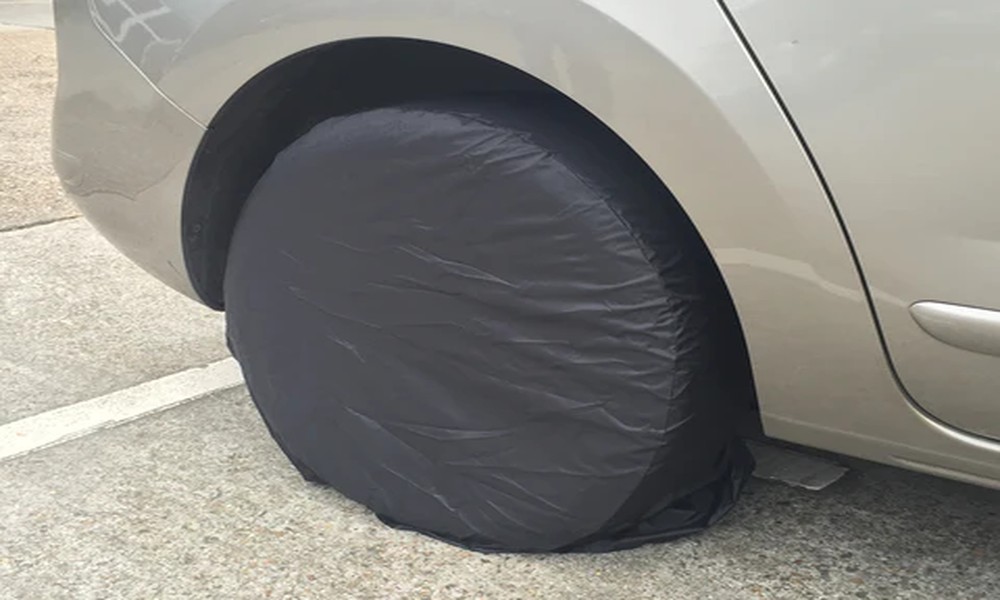
Understanding the role of wheel protection in commercial use
Commercial vehicles operate in demanding environments where road debris, water exposure, heat, and constant friction can quickly affect exposed components. Wheel areas are especially vulnerable because they are closest to the road surface. For beginners in fleet management or vehicle maintenance, understanding protective solutions is essential for reducing long-term wear and improving operational efficiency.
What are wheel covers and why are they used?
Wheel covers are external protective accessories designed to shield wheel assemblies from dirt, moisture, and minor physical damage. They also improve visual consistency across vehicles. In commercial transport, these covers are not just decorative-they serve a functional purpose by reducing exposure to corrosive elements like salt, mud, and brake dust.
How protection extends vehicle lifespan
One of the biggest advantages of using wheel protection systems is reduced corrosion. Constant exposure to water and road chemicals can weaken metal components over time. By acting as a barrier, protective covers help slow down this process. This results in fewer repairs and longer-lasting wheel assemblies, which is especially important for vehicles covering long distances daily.
Why material quality matters
Not all protective systems are the same. High-quality materials such as reinforced polymers and treated metals offer better durability and resistance. These materials are designed to withstand temperature changes and rough road conditions. In many commercial fleets, FORD WHEEL SIMULATORS are used as an example of durable protective design because they combine structural strength with long-term resistance to environmental damage while maintaining a clean exterior appearance.
Maintenance benefits for fleet operators
Another major advantage is reduced maintenance effort. Without protection, wheels require frequent cleaning and inspection due to accumulated grime. Protective coverings minimize direct exposure, making cleaning faster and less frequent. This allows fleet operators to save time and focus on other critical maintenance tasks.
Installation and usability considerations
For beginners, ease of installation is an important factor. Most modern wheel protection systems are designed for quick fitting without specialized tools. This makes them practical for both small and large fleets. Additionally, many designs allow easy removal for inspection or servicing, ensuring functionality is not compromised.
Impact on long-term operating costs
While the initial investment in wheel protection may seem minor, the long-term savings are significant. Reduced corrosion, fewer replacements, and lower cleaning requirements all contribute to cost efficiency. Over time, this improves the overall return on vehicle investment.
Improving consistency across fleets
Using standardized protective systems across multiple vehicles helps maintain a uniform look and operational standard. This consistency is especially valuable for companies focused on brand presentation and professional image.