
Your car’s paint is the first thing people notice and the first thing the road tries to ruin. Between gravel on the highway, winter road treatments, intense high-altitude sunlight and the occasional hailstorm, vehicles along the Front Range take a beating. Paint protection film, often shortened to PPF, has become one of the most popular ways for drivers to defend their finish without changing how the car looks. This guide explains what it is, how it works and whether it is right for your vehicle.
What Is Paint Protection Film?
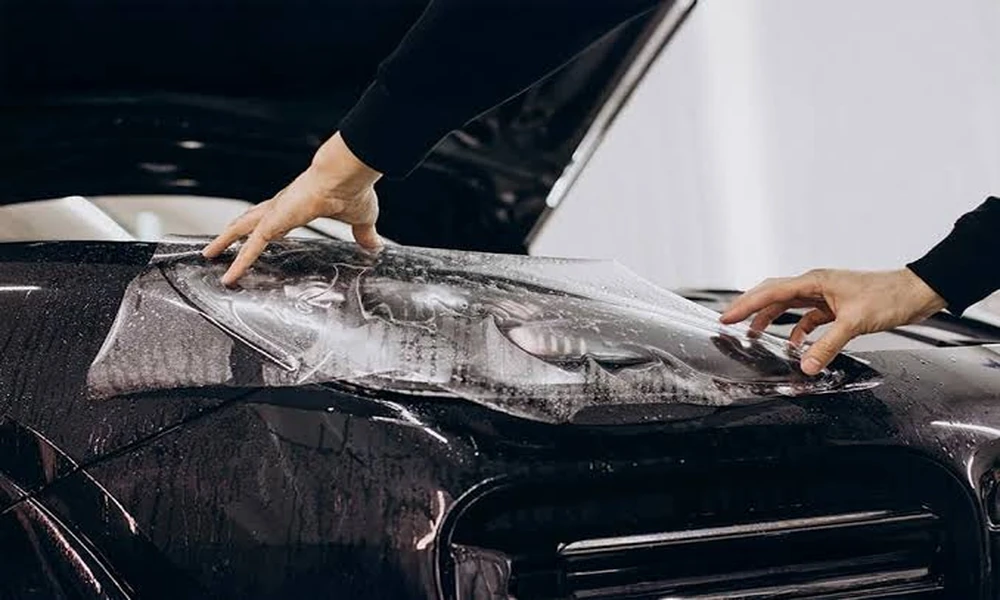
Paint protection film is a transparent, flexible urethane film applied to the exterior surfaces of a vehicle. It acts like a durable shield over the paint, absorbing the impact of small stones, road debris and abrasion that would otherwise chip or scratch the clear coat. Because it is clear, the original colour and finish remain visible underneath.
Modern films are designed to be optically clear and to resist yellowing over time. Many also include a self-healing top layer, which allows light scratches and swirl marks to disappear when exposed to warmth from the sun or warm water.
Why Drivers Choose PPF
The main reason is simple: prevention is cheaper than repair. Once paint is chipped or etched, fixing it usually means touch-ups, repainting or accepting visible damage that affects resale value. PPF takes the hit instead of your paint.
Other benefits include:
- Protection from rock chips: especially on the hood, bumper, mirrors and fenders.
- Resistance to staining: bug splatter, bird droppings and tree sap are easier to clean off a film surface.
- Preservation of resale value: original, undamaged paint is attractive to buyers.
- Easier maintenance: many films have a smooth, hydrophobic surface that sheds water and dirt.
- Reversibility: the film can be removed professionally, leaving the paint underneath in good condition when properly installed and maintained.
Coverage Options
Not every driver needs the whole car wrapped. Common coverage levels include:
- Partial front: protects the leading edge of the hood, fenders and mirrors.
- Full front end: covers the entire hood, fenders, bumper, mirrors and headlights.
- High-impact areas plus extras: adds door edges, rocker panels, door cup areas and the trunk edge.
- Full vehicle coverage: every painted panel is protected for maximum peace of mind.
Choosing the right level depends on your budget, how you use your car and how much you value an untouched finish.
Local Expertise Matters
Paint protection film is only as good as the installation. Film must be cut accurately, positioned carefully and wrapped around curves and edges without trapped dust, lifting corners or stretch marks. Preparation is just as important, as the paint must be decontaminated and corrected where needed so the film bonds properly and flaws are not sealed underneath.
If you are researching Colorado Springs paint protection film options, look for a shop that explains its process openly, shows examples of its work and is happy to discuss the products it uses. Springs Detailing offers paint protection film services for local drivers who want their vehicles protected by a team that understands the conditions cars face in this region.
Choosing Between Film Finishes
Most people choose gloss film that preserves the factory shine, but there are also satin and matte options. Satin and matte films can change the look of a vehicle without repainting it, which appeals to enthusiasts who want a distinct appearance while still protecting their paint. Discuss your goals with the installer so the finish suits the look you want.
Caring for Your Film
Aftercare is straightforward but important:
- Avoid washing the vehicle for the period your installer recommends after installation.
- Use pH-neutral soaps and soft microfibre mitts.
- Avoid abrasive polishes and harsh chemicals unless approved for film.
- Be careful with high-pressure washers near edges.
- Clean contaminants such as bird droppings and bug residue promptly.
Many owners also pair film with a ceramic coating on top to make washing even easier, though you should confirm compatibility with your installer.
Questions to Ask Before Booking
A good installer will welcome your questions. Consider asking:
- Which film brands do you use and why?
- Is the film pre-cut by computer or hand-trimmed?
- How do you prepare the paint before installation?
- How are edges handled, and are panels wrapped where possible?
- What warranty covers the film and the installation?
- How long will the car need to stay in the shop?
Is PPF Worth It?
For new vehicles, leased cars you want to return in great condition, performance and luxury models or any car you intend to keep for years, PPF is often a sensible investment. Even on an older car, protecting the most exposed areas can be worthwhile if the paint is still in good shape.
Conclusion
Paint protection film gives your vehicle a clear, durable barrier against the everyday hazards of driving. By understanding the coverage options, finishes and care requirements, you can choose a package that fits your car and budget. Most importantly, choose an installer who prioritises preparation and precise application, because that is what determines how good the film looks and how long it lasts.