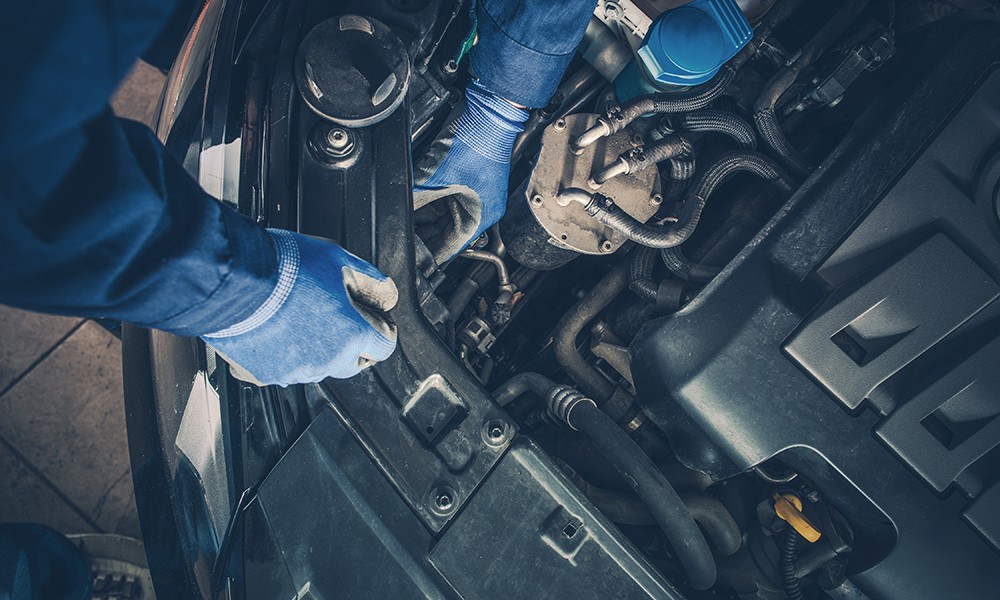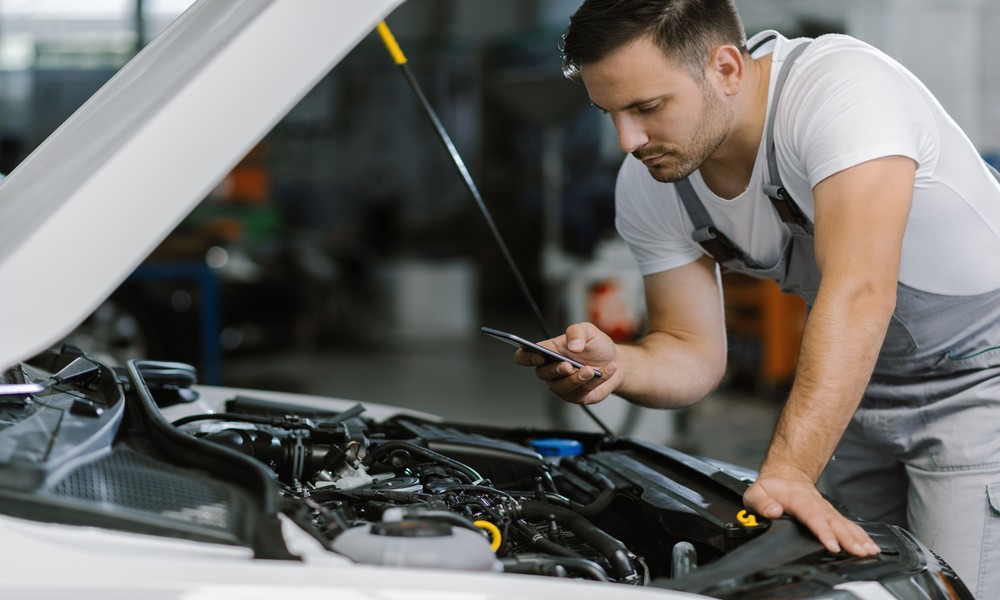

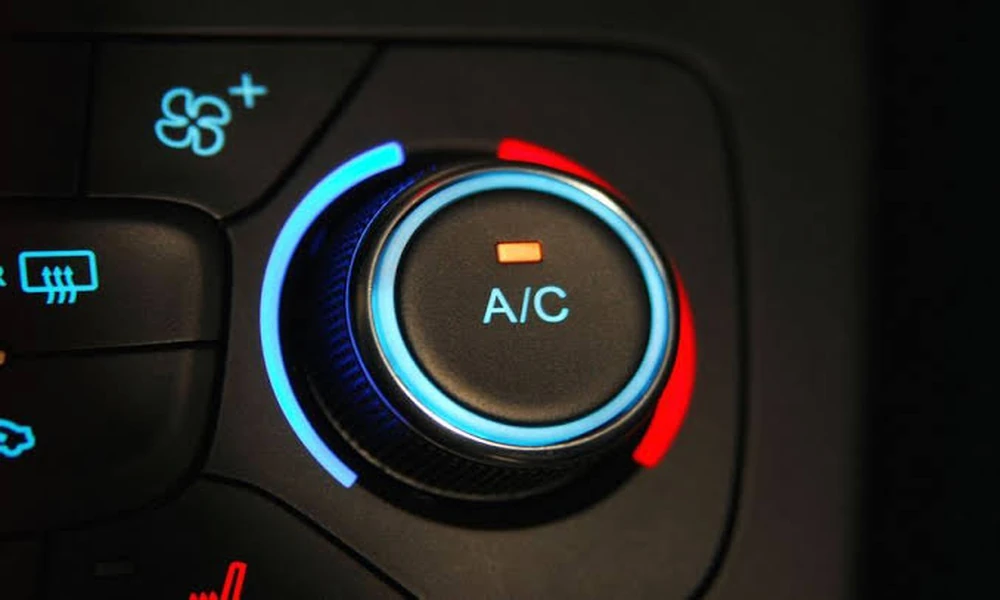
The cooling system maintains optimal engine temperature during every single daily drive. Older cars accumulate massive road miles over many years of consistent operation. Metal components endure constant thermal expansion and contraction cycles under the hood. So the radiator eventually struggles to manage heat effectively in aging vehicles. You might notice rising temperature gauges or visible leaks on the driveway.
These signs indicate that your cooling system needs professional diagnostic attention immediately. The Auto repair in Naperville, IL service experts often see these specific mechanical failures in older cars. Addressing small cooling issues prevents catastrophic engine damage for any loyal vehicle owner.
Accumulation of Internal Debris
Years of coolant circulation leave behind harmful mineral deposits and rusty sediment inside. The narrow passages within the radiator core become clogged with this thick sludge. Coolant cannot flow freely through blocked channels to dissipate engine heat efficiently anymore. Now the restricted fluid movement forces the water pump to work much harder. Overheating becomes a frequent occurrence when internal blockages prevent proper thermal exchange processes.
Becker’s Service Center ensures your cooling system remains clear of such damaging sediment buildup regularly. Consistent flushing removes these hidden contaminants before they cause complete radiator core failure.
Degradation of Plastic and Rubber Components
Modern radiator designs utilize plastic tanks bonded to metallic fins for weight reduction. Constant exposure to intense heat cycles causes these plastic materials to become brittle. Tiny stress fractures develop along the seams where the tanks meet the core. Sometimes the rubber hoses also harden or crack from prolonged extreme heat exposure. Leaks emerge gradually as the pressurized coolant escapes through these weakened structural joints.
Becker’s Service Center technicians inspect these vulnerable connections to identify potential failure points before splitting occurs. Replacing worn hoses and aging radiator units preserves engine integrity for high-mileage drivers.
Mechanical Stress and Vibration Fatigue
Expert technicians verify that all radiator supports remain tight during routine seasonal service. Stable mounting protects the radiator from unnecessary strain during everyday stop and go driving.
FAQs
Does the radiator cap spring tension affect long term cooling system efficiency levels?
Yes because weak cap springs fail to maintain necessary internal system pressure levels.
Can using distilled water alone cause pitting inside an older aluminum radiator unit?
Yes the lack of corrosion inhibitors triggers rapid metal oxidation and internal pitting.
Why does the heater core sometimes fail shortly after a radiator replacement procedure?
Old sediment dislodged during flushing often migrates into the small heater core passages.
Do aftermarket aluminum radiators offer better thermal dissipation than standard factory replacement units?
Performance models feature increased fin density which improves heat rejection during heavy loads.
Should I replace the thermostat whenever installing a brand new high mileage radiator?
Yes because old thermostats frequently stick shut and cause immediate severe overheating issues.